An Attack Helicopter Can Kill Its Pilot Without an Enemy Ever Firing a Shot
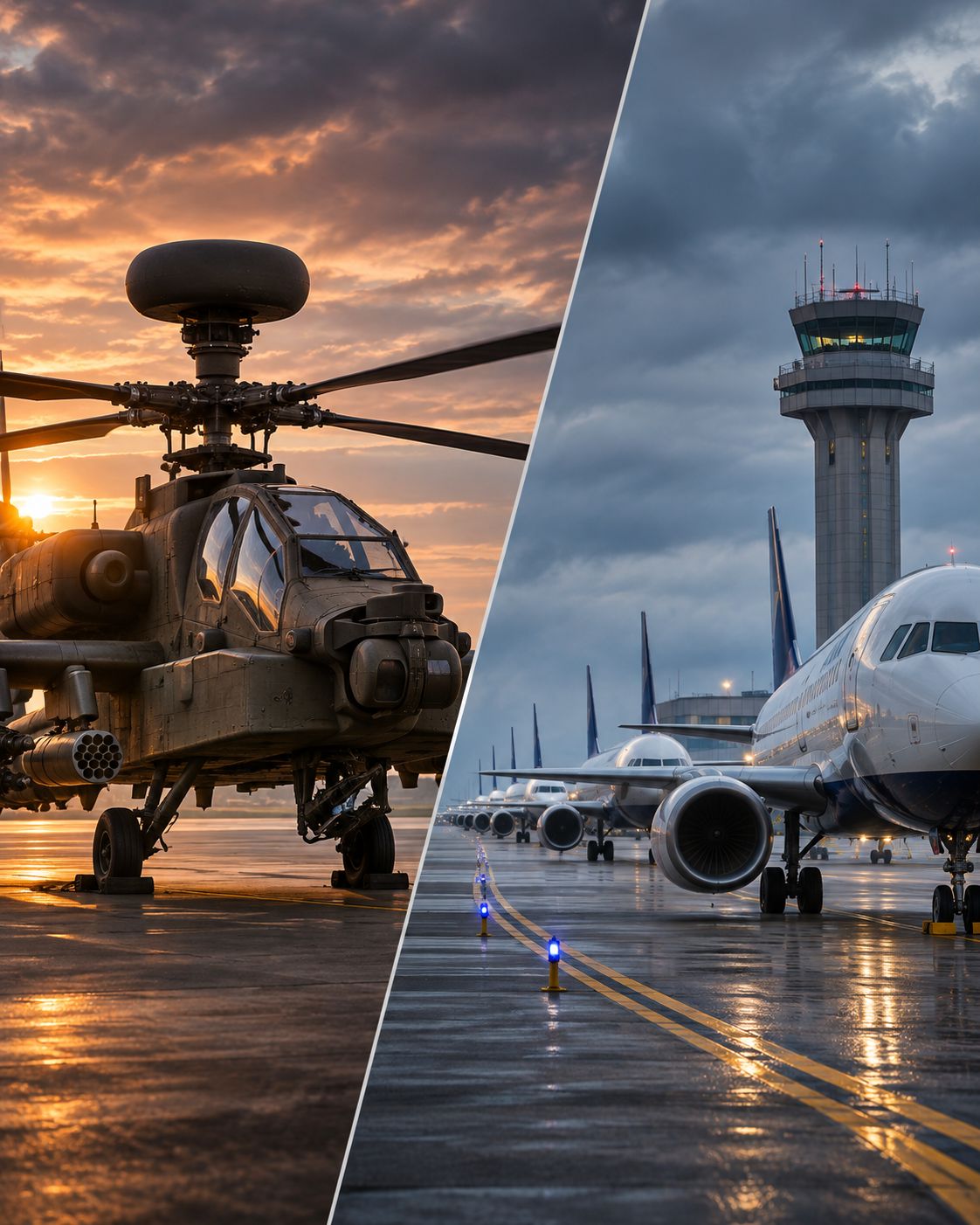
Retired US Army COL Tim Solie, CISSP, knows this firsthand. As an Army attack helicopter pilot, he operated an enormously complex technology platform. Mismanage it, misunderstand its limits, or neglect its condition, and the consequences become catastrophic.
You don't need an enemy to lose the aircraft.
On November 13, the Federal Aviation Administration showed the same principle on a national scale. A flood of network traffic destabilized communications and radar feeds across 17 of the nation's 22 air traffic control centers. The FAA ordered a nationwide ground stop that lasted nearly five hours. The problem was traced to two potential locations, including a remote facility undergoing a router upgrade.
No enemy. No cyberattack. Just technology behaving in ways its operators couldn't adequately control.
Now consider your business. How many connected systems does it depend on? How many do you actually understand? Can you identify a misbehaving device and isolate it before its problems spread? And what happens when an attacker deliberately exploits those same weaknesses?
We've spent years teaching businesses to look for intruders. The FAA incident is a reminder that something more fundamental deserves our attention: knowing and controlling the technological environment we're supposed to defend.
That matters most for smaller businesses, which can't afford enterprise-scale security operations. You can't defend like the big players, and you don't need to.
The first job isn't to find an enemy. It's to know your ground, control your environment, and prevent one problem from becoming everybody's problem.