AI-enabled cyber-attacks are fast.
Ridgeback is faster.

Automated Attacks Need Automated Solutions

Traditional AI defenses leave defenders playing catch-up. Ridgeback automates offensive maneuvers to actively impair adversary operations. By shifting from passive defense to active deterrence, Ridgeback compels attackers to seek easier victims.


Actual Situational Awareness
See the Ground Truth

Get a unified, actual real-time view of your network’s operations without agents, taps, or blind spots.

Fact-based Risk Reporting
Detection That Is Containment
Stop attacks instantly with interactive countermeasures that break the adversary’s reconnaissance paths.
Real-time Attack Disruption
Compliance and Confidence
Transform compliance from a burden into a strategic advantage with validation of every asset and control.

Ridgeback allows you to actively shape adversary behavior by replacing passive detection with interactive, cost-imposing consequences.

Which network do you want to defend?
Ridgeback puts Control over your destiny into your hands.
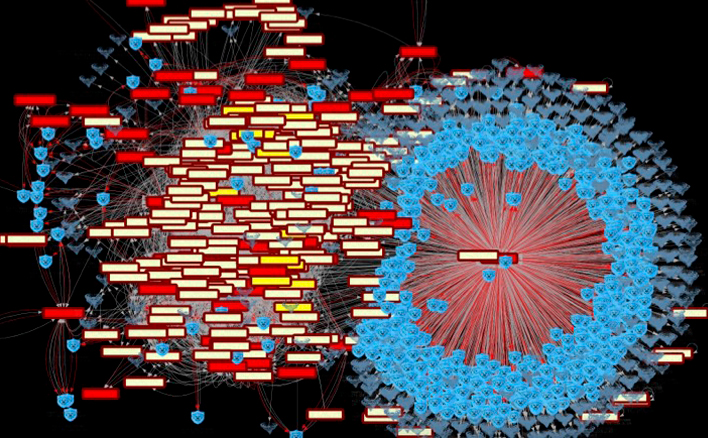
Chaos
chaos
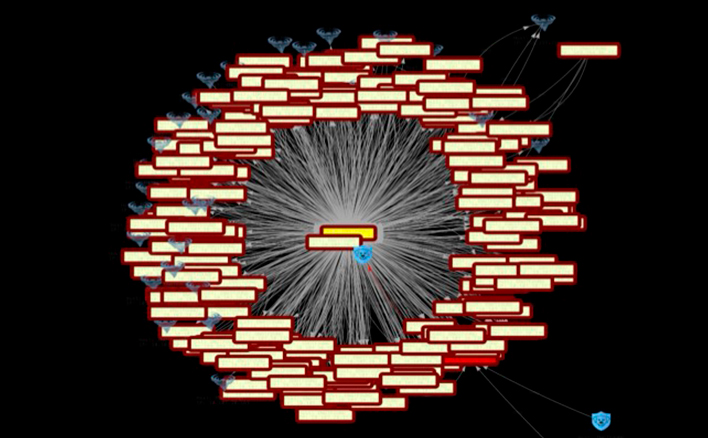
Order
order

Render order from chaos with true enterprise-wide situational awareness.

Unlike common network mapping and data flow tools, Ridgeback instantly and quietly captures, reports and visualizes the entire network – including all IT, OT, IoT – in motion real-time, 24/7. Ridgeback will pinpoint opportunities not observed by other tools to reform network chaos for efficiency, resilience and security.

Discover, Disrupt, Resolve
Promo
What is Ridgeback?
Philosophy and Walkthrough
60 Bytes to Defend America
Unique and Helpful

Some of the ways your IT and security peers use Ridgeback...

As an IT manager, I must know about all devices on my network.
As a security professional, I want to interfere with enemy scanners.
As a defensive security professional, I must determine how easy it is to hack my system.
As a network engineer, I must validate that my Firewalls are working as intended.
broadcast-solid
As a sysadmin, I need to identify all the insecure hostname queries on the network.
As a sysadmin, it's my responsibility to thoroughly verify that our DNS is set up correctly.
As an IT professional, I need to explain the status and importance of our IT assets to nontechnical senior executives.
As a network engineer or security professional, I need to know if any unauthorized communications are happening in my network.
As a sysadmin or network admin, I need to know if any of my machines are trying to talk to services that don't exist.
As a security professional, I need to know what, if any, machines are scanning my network.
As a sysadmin or network admin, I need to know if any devices are missing from my network.
hacker-solid
As a security professional, I need a way to slow down attackers in my network, so I have time to respond.
As a network professional, I must know if my network segmentation keeps the data separate.
As a network admin, it's my responsibility to emphasize to nontechnical people the necessity of cleaning up our network.
As a network admin, it's essential for me to understand the load that Windows Update Delivery Optimization (WUDO) puts on our network.

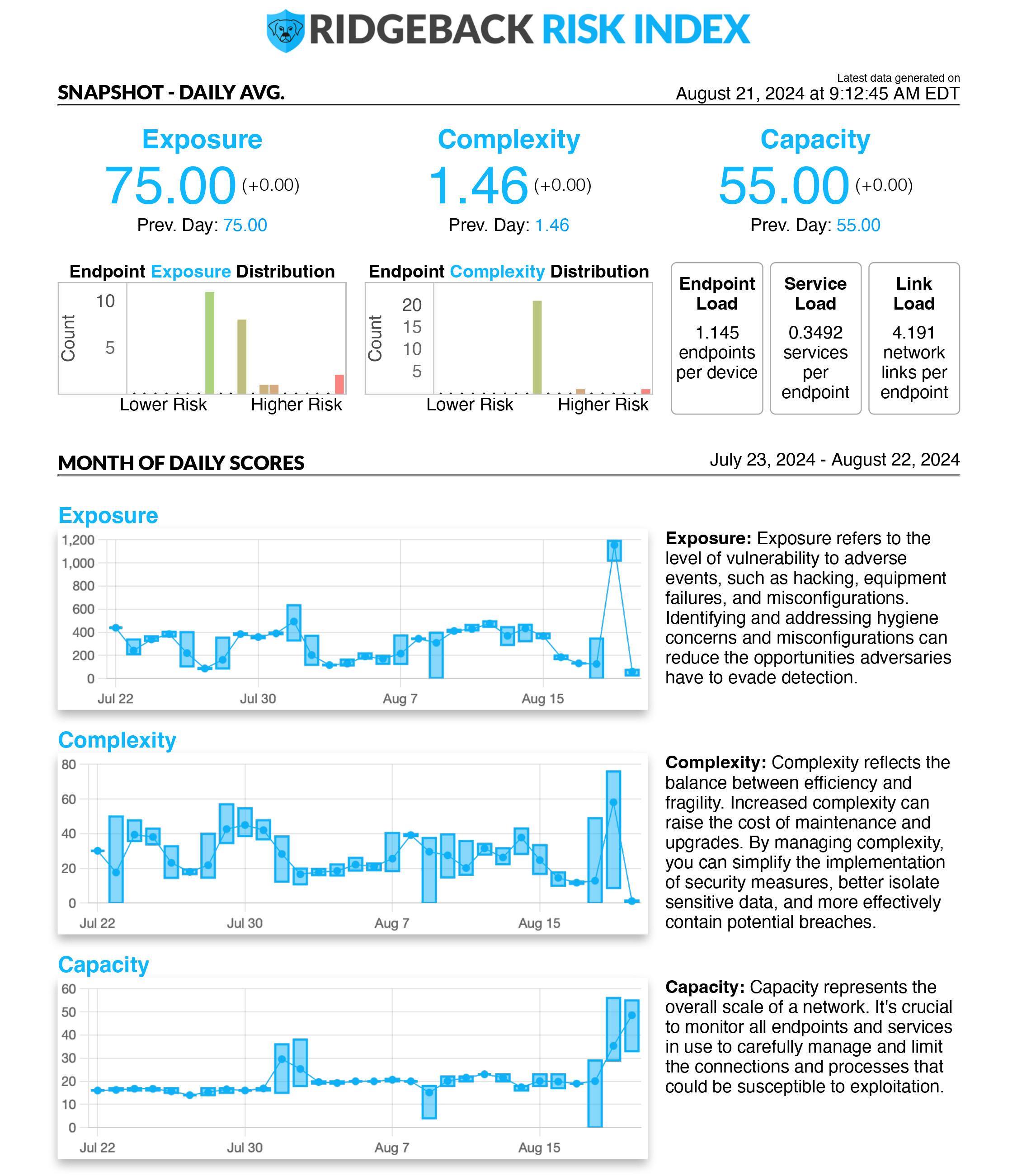
What’s driving risk in your systems?

Network Traffic is Processed into 3 Metrics
Exposure
The potential frequency of adverse events
Complexity
The potential severity of adverse events
Capacity
The scale of the IT footprint
Ridgeback Risk Index
Benefits of the Risk Report
  • See your network’s risk factors on demand: hourly, daily, and weekly scores.
  • Empower collaboration between tech and non-tech teams, all the way up to the board of directors.
  • Gain a precise understanding of how to fortify your network and confidently navigate the impacts of IT and security implementations.
  • Higher scores indicate more work, expense, weaker resiliency, and more vulnerability to exploitation.

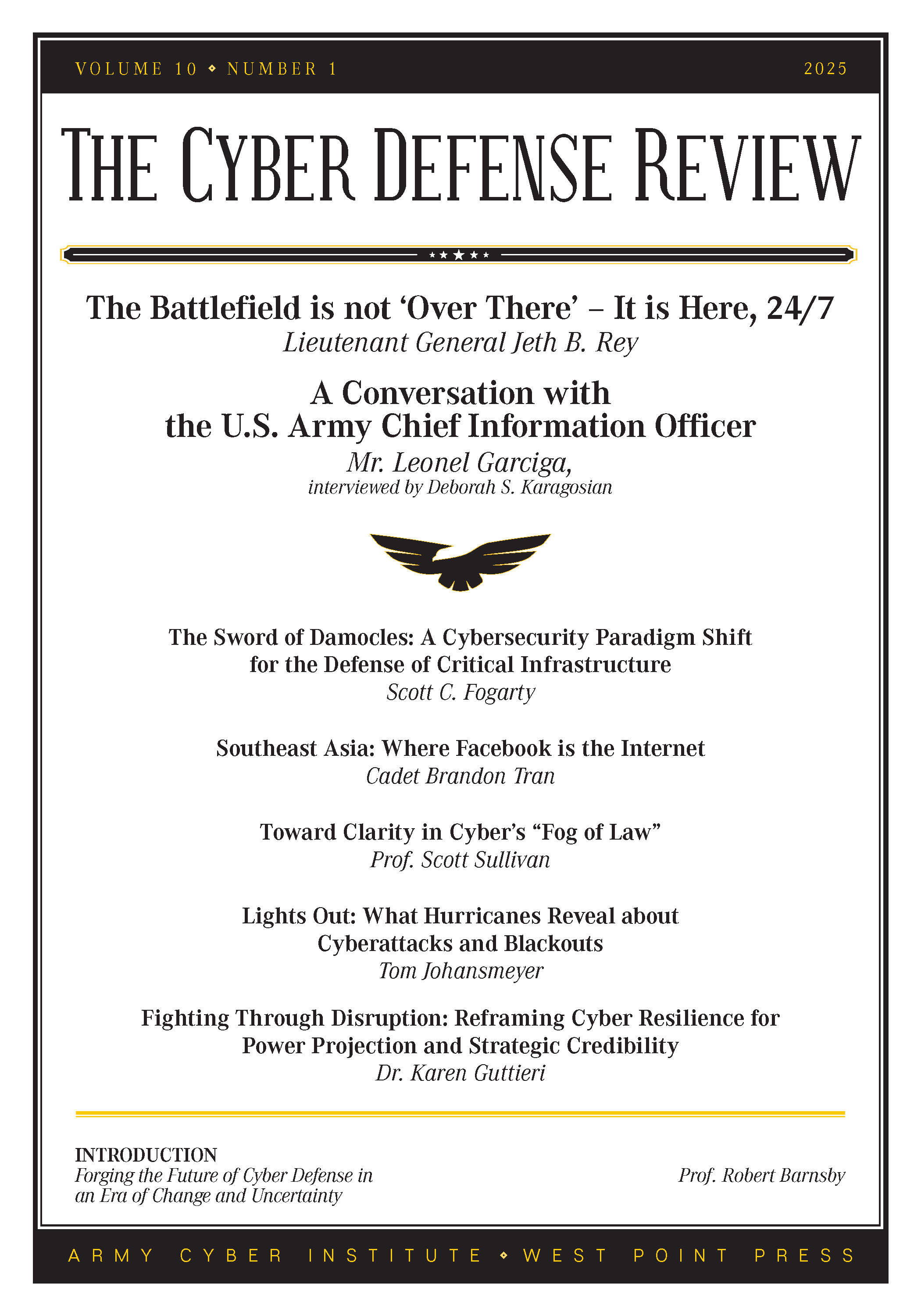
Read the scholarship behind Ridgeback in the DoD’s Cyber Defense Review HERE

The article explains that today’s cyber threats to critical infrastructure are so advanced that traditional security defenses alone are no longer enough. Fogarty presents the “Sword of Damocles” idea, which focuses on constant visibility and the ability to hold attackers at risk as a way to discourage attacks. He argues that cybersecurity should shift from just blocking threats to actively changing how attackers think and behave. (Read More)

References

Fogarty, S. C. (2025). The sword of Damocles: A cybersecurity paradigm shift for the defense of critical infrastructure. The Cyber Defense Review, 10(1), 29–39. https://doi.org/10.55682/cdr/kpwx-q1q1
chaos (Read More)